
The Thrill of Uncertainty
Casino gaming behavior is significantly influenced by the thrill of uncertainty, a psychological aspect that intrigues and excites players. When individuals engage in games of chance, such as slot machines or roulette, they often experience a rush from the unpredictability of the outcome, especially when considering options like fast withdrawal casino uk real money . This thrill can evoke a strong emotional response, leading to heightened arousal which keeps players returning for more. The uncertainty creates an engaging environment where the potential for both loss and reward is palpable, intensifying the gaming experience.
This unpredictability taps into human instincts and encourages a sense of hope. A player may feel a rush of adrenaline as they place a bet, caught in the exhilarating possibility of winning. This emotional engagement might explain why many people find themselves drawn to gambling; the uncertainty surrounding outcomes can be more exciting than the actual winnings. The psychology of unpredictability can also facilitate escapism from everyday life, making gambling an attractive option for many.
Furthermore, the architecture of casinos is designed to amplify this thrill. The bright lights, the sound of spinning reels, and the vibrant atmosphere create a sensory experience that capitalizes on the emotions tied to uncertainty. Such an environment makes it easy for players to lose track of time and money, as they become enveloped in the excitement of the gaming floor. This carefully curated ambiance feeds into the psychological allure of casino games, making them an engaging escape for many individuals.
The Role of Reward Systems
Casino games often operate on a reward system that deeply influences players’ behavior and decision-making. The intermittent reinforcement schedule, where players receive rewards sporadically, is a powerful motivator. This type of reward system has been shown to be more effective at sustaining behavior over time than consistent reinforcement. For instance, a player might spend hours at a slot machine, hoping for that rare big win that will justify their time and investment in the game.
Moreover, this unpredictability in rewards can lead to compulsive gambling behavior, as players may chase losses or seek to replicate a previous win. The “near-miss” phenomenon is particularly compelling; when players come close to winning but ultimately lose, they often perceive these moments as encouragement to keep playing. This cognitive distortion can spur players to gamble more, as they may feel that they are on the verge of a significant win.

In addition to the intermittent rewards provided by the games, casinos often implement loyalty programs that further reinforce this behavior. By offering players comp points or bonuses for their gambling activity, casinos capitalize on the psychology of reward. These incentives create a sense of belonging and increase the likelihood that players will continue to engage with the casino, effectively intertwining their experiences with positive emotional reinforcement.
The Social Dynamics of Gambling
Gambling is not merely an individual experience; it often encompasses a social dimension that greatly affects player behavior. Social interactions in casino settings can amplify excitement and enhance the gaming experience. Whether it’s the camaraderie shared at a poker table or the collective energy of a crowd cheering for a particular slot machine, these social factors play a crucial role in attracting players to casinos. The environment fosters a sense of community, making the act of gambling feel less solitary.
Peer influence can also significantly impact gambling behaviors. For example, if a group of friends chooses to visit a casino, individuals may feel compelled to partake in gaming activities to align with the group’s dynamics. This phenomenon underscores how social norms can dictate behavior, encouraging people to gamble beyond their initial intent. The shared experience can create a kind of peer pressure, urging individuals to continue playing to maintain social bonds.
Additionally, casinos often host events that promote social engagement, such as tournaments and themed nights. These activities encourage players to come together and compete, further solidifying the social aspect of gambling. Engaging with others in a festive atmosphere enhances the enjoyment of gaming and can lead to longer play sessions. Such social dynamics not only contribute to the overall appeal of casinos but also significantly impact players’ psychological engagement with gambling.
Cognitive Biases and Misunderstandings
The psychology behind gambling behavior is also shaped by cognitive biases that can distort players’ perceptions of risk and reward. For instance, the gambler’s fallacy is a common misconception where individuals believe that past events influence future outcomes in games of chance. A player might think that a particular number is “due” to win, despite the fact that each outcome in games like roulette is independent of prior results. This bias can lead to increased betting and a misunderstanding of mathematical probabilities.
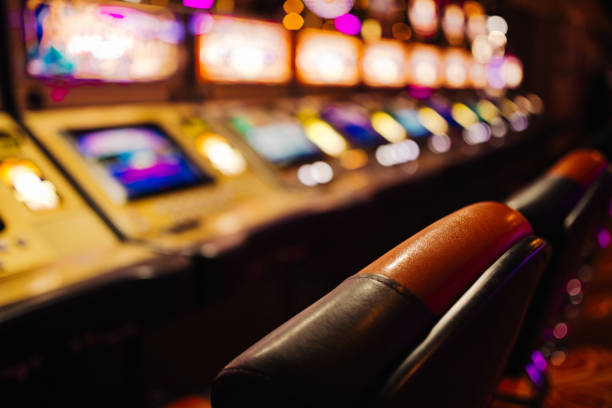
Another cognitive distortion is the illusion of control, where players believe they can influence the outcome of a game through skill or strategy. In games that are predominantly based on chance, such as slot machines, this belief can lead players to misjudge their ability to win, fostering an overconfidence that may result in reckless betting behavior. Understanding these biases is crucial for both players and those seeking to promote responsible gambling practices.
Education about the math and odds behind gambling can help mitigate the effects of these cognitive errors. By making players aware of the realities of chance and the randomness inherent in casino games, they might make more informed decisions about their gambling activities. This awareness can help in fostering a healthier relationship with gambling and reduce the likelihood of developing problematic behaviors driven by cognitive distortions.
Your Resource for Gambling Insights
For those interested in exploring the complexities of gambling behavior, various resources are available that delve into the psychology behind casino gaming. Understanding these psychological elements can empower both players and industry stakeholders to create more informed and responsible gaming environments. Educating oneself about the thrill of uncertainty, reward systems, social influences, and cognitive biases can significantly enhance the gambling experience and promote better decision-making.
Additionally, websites dedicated to gambling insights often provide research and articles that analyze player behavior, trends, and responsible gaming practices. Engaging with these resources can equip individuals with the knowledge needed to approach gambling in a balanced manner. By fostering awareness, players can enjoy the entertainment value of gaming while minimizing risks associated with excessive gambling.
By understanding the intricate layers of casino gaming psychology, players can make informed choices and enjoy their experiences responsibly. Insights gained from studying these behaviors can also help casino operators create environments that prioritize player well-being and promote responsible gaming practices. Ultimately, this knowledge serves to enrich the gaming community, ensuring that entertainment remains the primary objective.